My Colombia Lifer List - Chasing Lifers
Chasing Lifers is a blog series where I write about my personal experiences seeing and capturing photos of species for the first time.
A bit late on this one but I’ve been reflecting on my time down in Colombia almost a year ago now back in November of 2024. I was competing in the Pan American Water Polo Championships in Ibagué after spending some time training in Montreal beforehand. I managed to throw in my Sony a6400 (my camera body at the time) into my bag along with my compact all-in-one Tamron 18-300mm. This was the first time for me travelling with this set up - it has proved useful on a few busy trips now when I don’t have as much space to pack and time to dedicate to photography but still want to capture landscapes and document foreign bird species.
As always, I managed to take a few moments throughout the trip to get out with my camera when I had some free time. I thought it would be fun to put together a write-up of the new species that I saw on that trip.
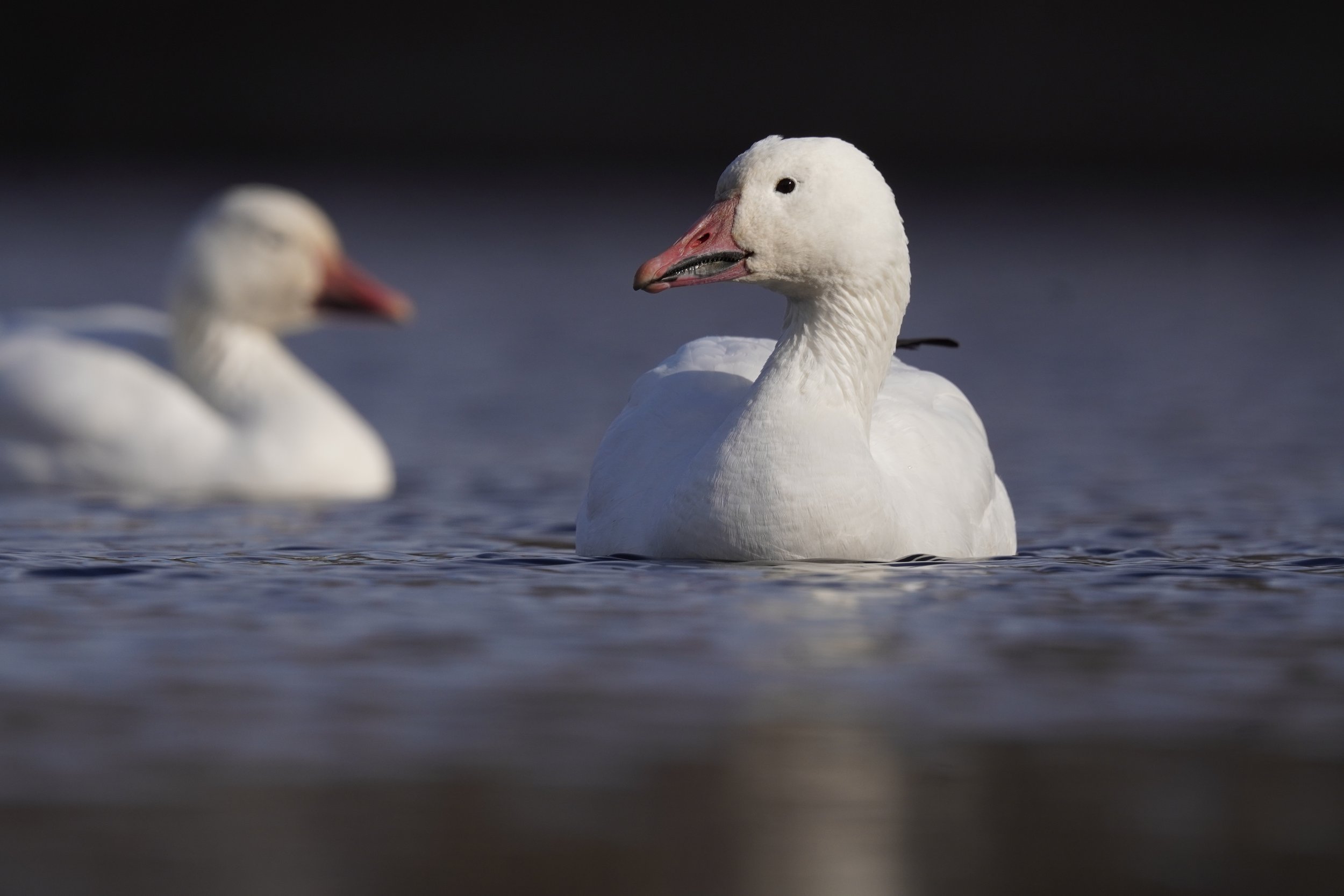
Snow Geese in the Lachine Canal, Montreal.
My list of lifers for this trip actually began before even leaving Canada. After checking out of my apartment rental in Montreal I had some hours to kill before needing to be at the airport so stopped for breakfast near where the Lachine Canal meets the Saint Lawrence. Afterwards I walked through Monk Park and around the Lachine Lock historic site. To my amazement, I saw two large white birds swimming around in the water below and realized that they were Snow Geese! I had never gotten a chance to photograph these before so I ran back to my car to grab my camera and capture some images. It was a good way to start the trip!
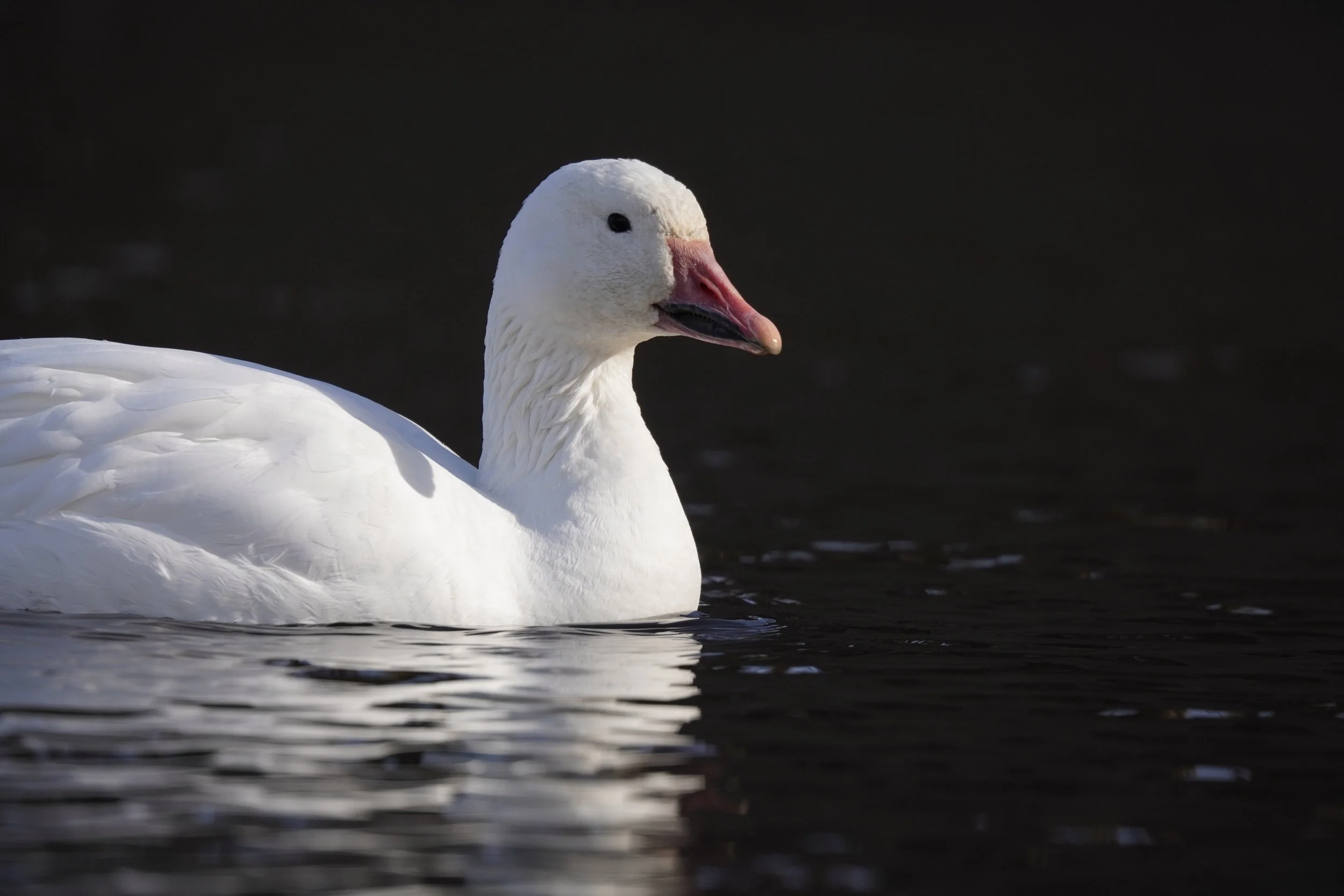
Snow Goose / Lachine Locks historic site.
I was also stunned to learn that Snow Geese are actually more abundant in Canada than the familiar Canada Goose. Their population has surged to over 15 million birds across North America, far surpassing the roughly 6–7 million Canada Geese. This boom is largely due to plentiful food on migration routes and high survival rates, leading to massive flocks that migrate through and breed in Canada’s Arctic regions.
They’re seen by less people, compared to the Canada Goose, because much of their time in Canada is spent in the high arctic and they travel along key, concentrated migration routes which therefore cause them to be less widespread.
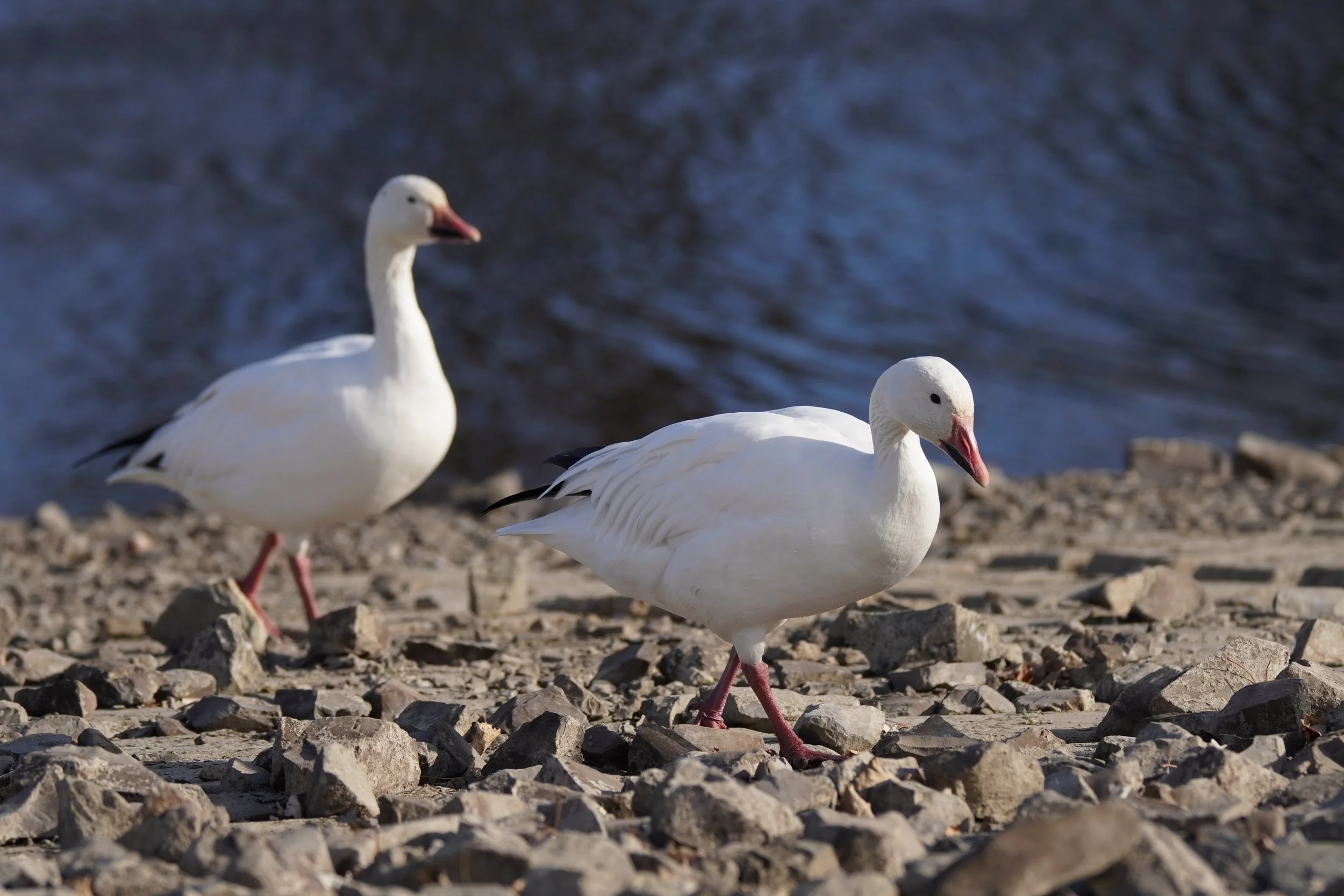
They weren’t shy to waddle right past me.
Once landed in Colombia, my senses were immediately bombarded with the presence of birds. While waiting for our shuttle bus in the airport parking lot I could already see why Colombia is the most bird diverse country in the world (with nearly 2000 species found there). The exotic songs and calls were at times deafening (in a good way) and there were constant flashes of colours darting around through the lush vegetation.
Ibagué, known as the “Musical Capital of Colombia,” is a city nestled in the foothills of the Central Andes and is surrounded by lush mountains and coffee-growing landscapes. This city of 530,000 isn’t known to be a tourist destination and definitely offered an authentic Colombian experience.
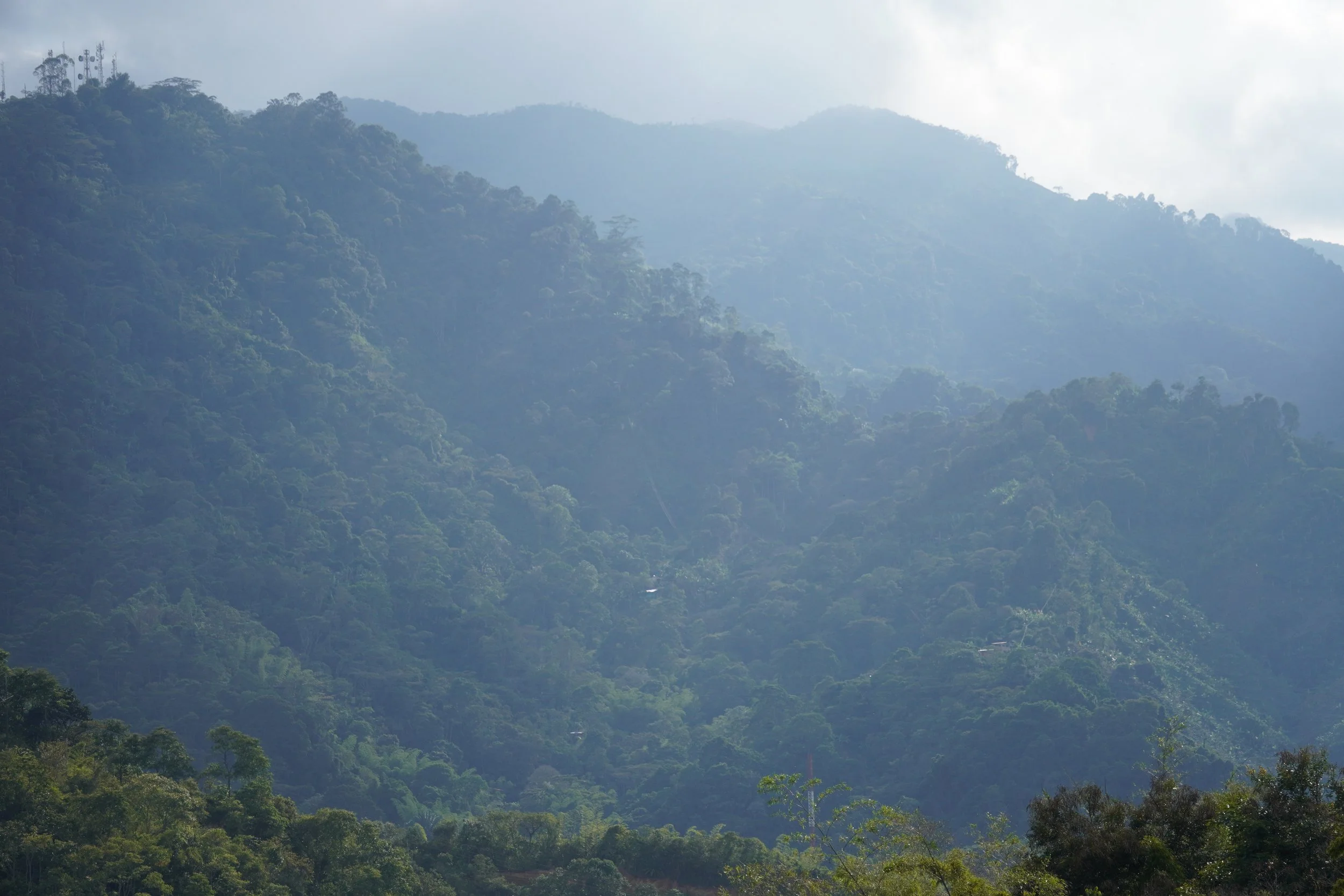
The views of the lush Andes foothills from my hotel room didn’t disappoint. Often covered by low rain clouds.
The first species I was able to capture with my camera in Colombia was a group of Bare-faced Ibis’s in the back lawn of the hotel. This is a medium-sized, dark ibis easily recognized by its featherless pinkish face and long, curved bill. It lives in wetlands, pastures, and rice fields across much of South America, often seen in small flocks foraging for insects and small invertebrates. Unlike many ibis species, it’s common and adaptable, thriving in both wild and agricultural landscapes.
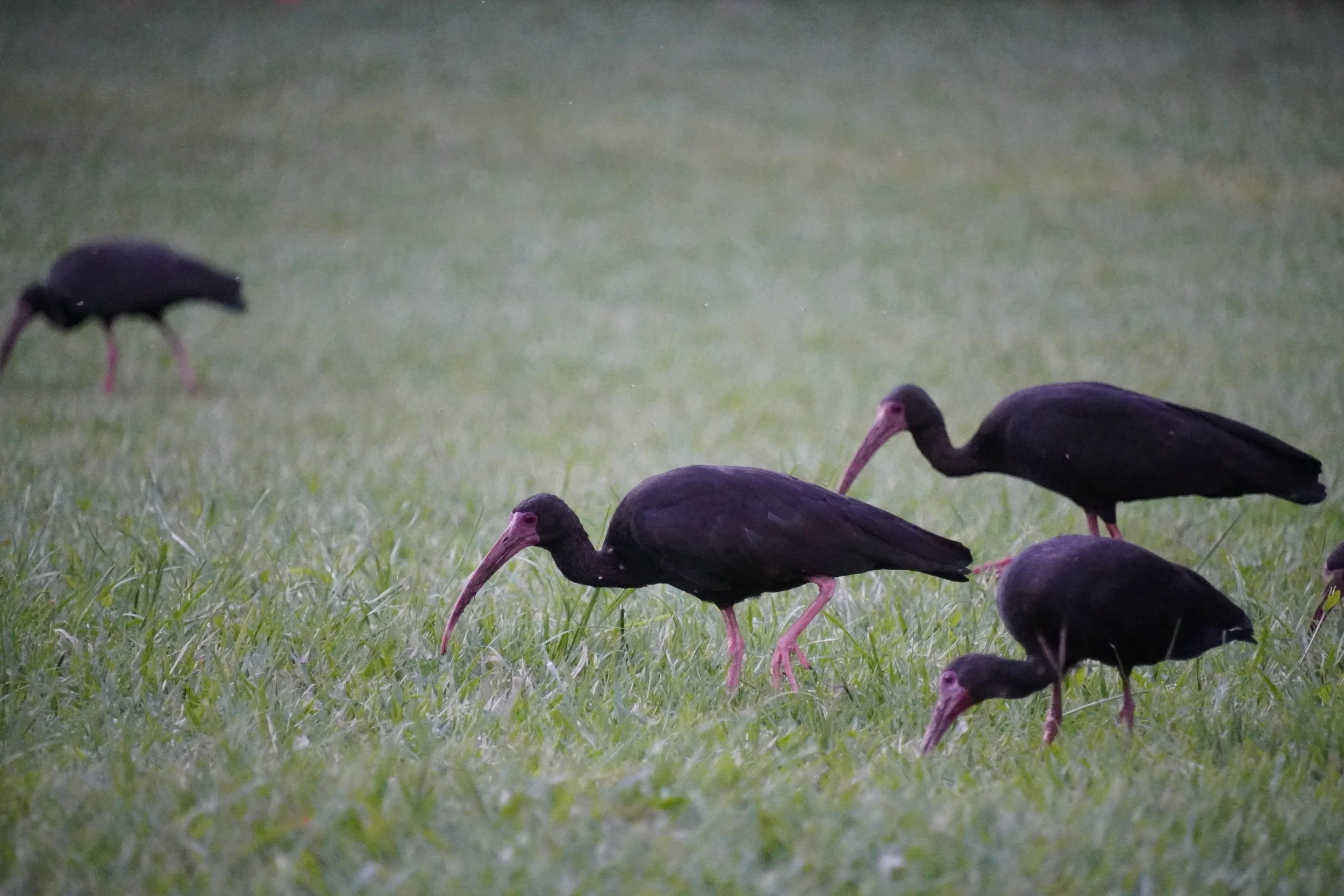
Bare-faced Ibis.
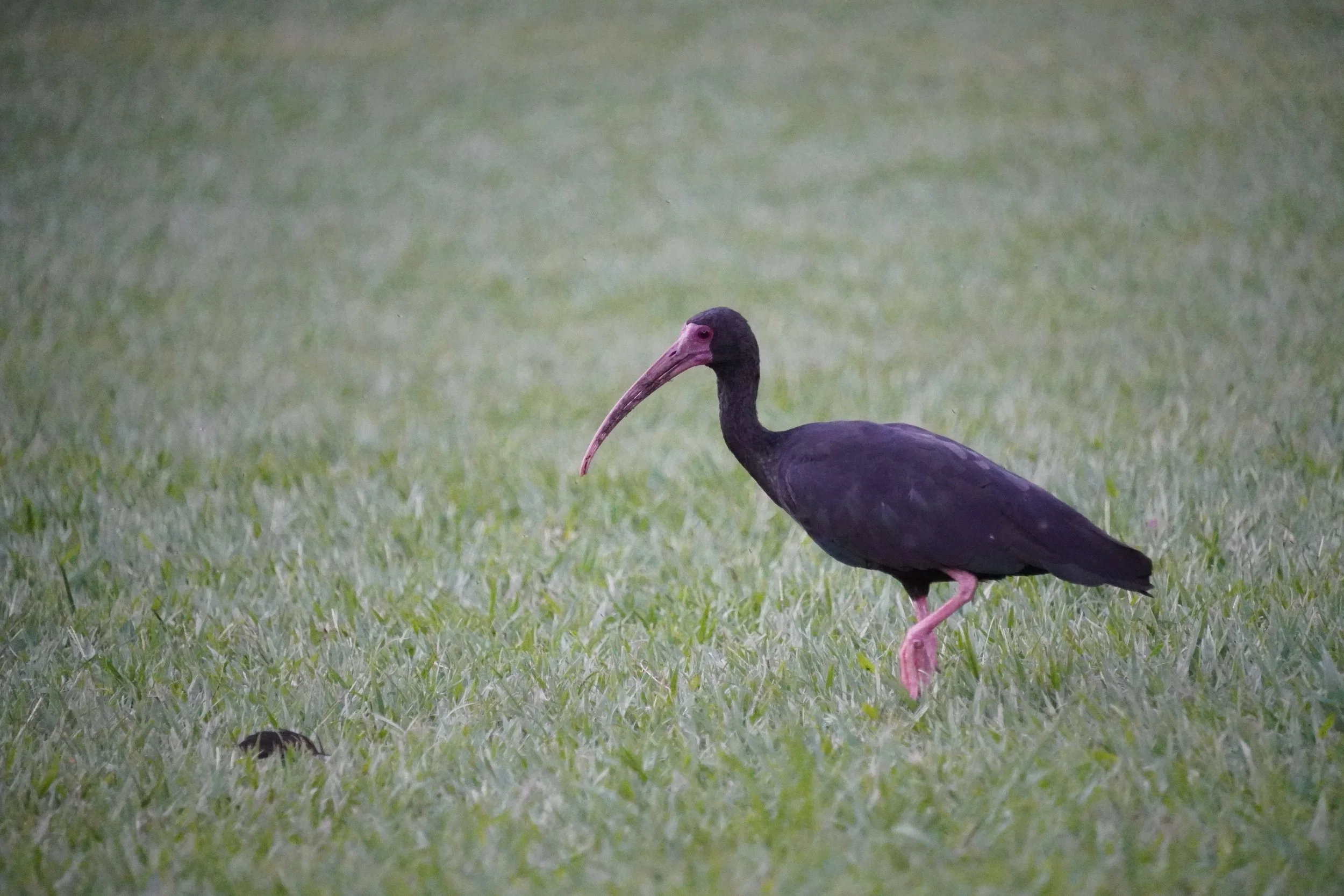
A pretty foreign looking bird to me. Maybe even, dare I saw, creepy looking…
The next lifer was seen from a higher level of the hotel, a Yellow-headed Caracara. The Yellow-headed Caracara is a slender, pale raptor found throughout much of Central and South America. Recognizable by its cream-colored head and chest, it often perches on fence posts or rides on the backs of cattle while searching for insects, carrion, and small prey. Highly adaptable, it thrives in open habitats and human-altered landscapes, making it a familiar sight in many rural areas.

Yellow-headed Caracara. Unfortunately it was a little far for the Tamron 18-300mm to capture in high detail but it was exciting nonetheless.
One afternoon, I managed to get out for a short walk around the hotel towards the jungled valley. On a post I noticed an interesting looking frog which may be in the “Gladiator Tree Frogs” genus but has yet to have been confirmed to a species level on my iNaturalist post.
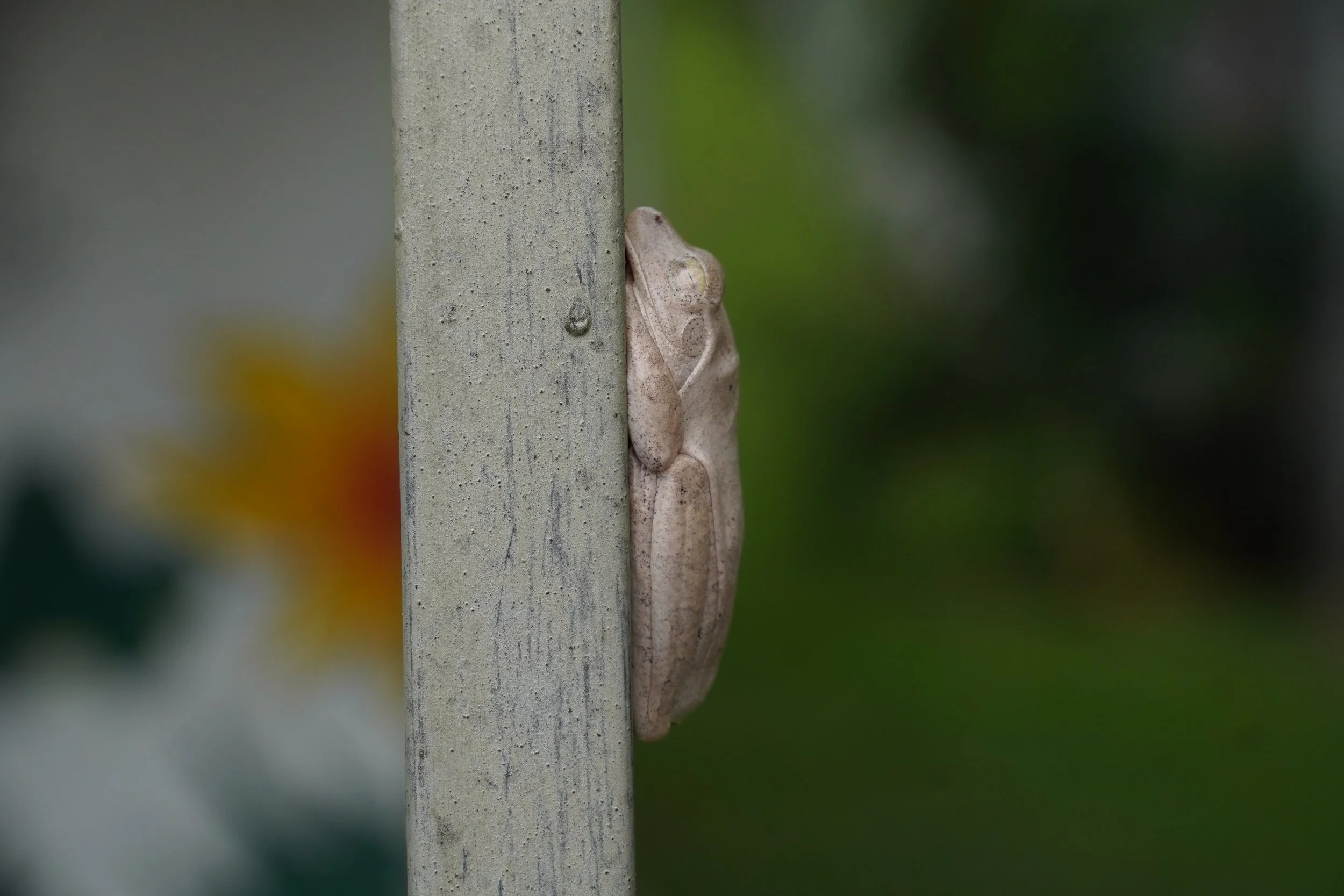
A cute little guy.
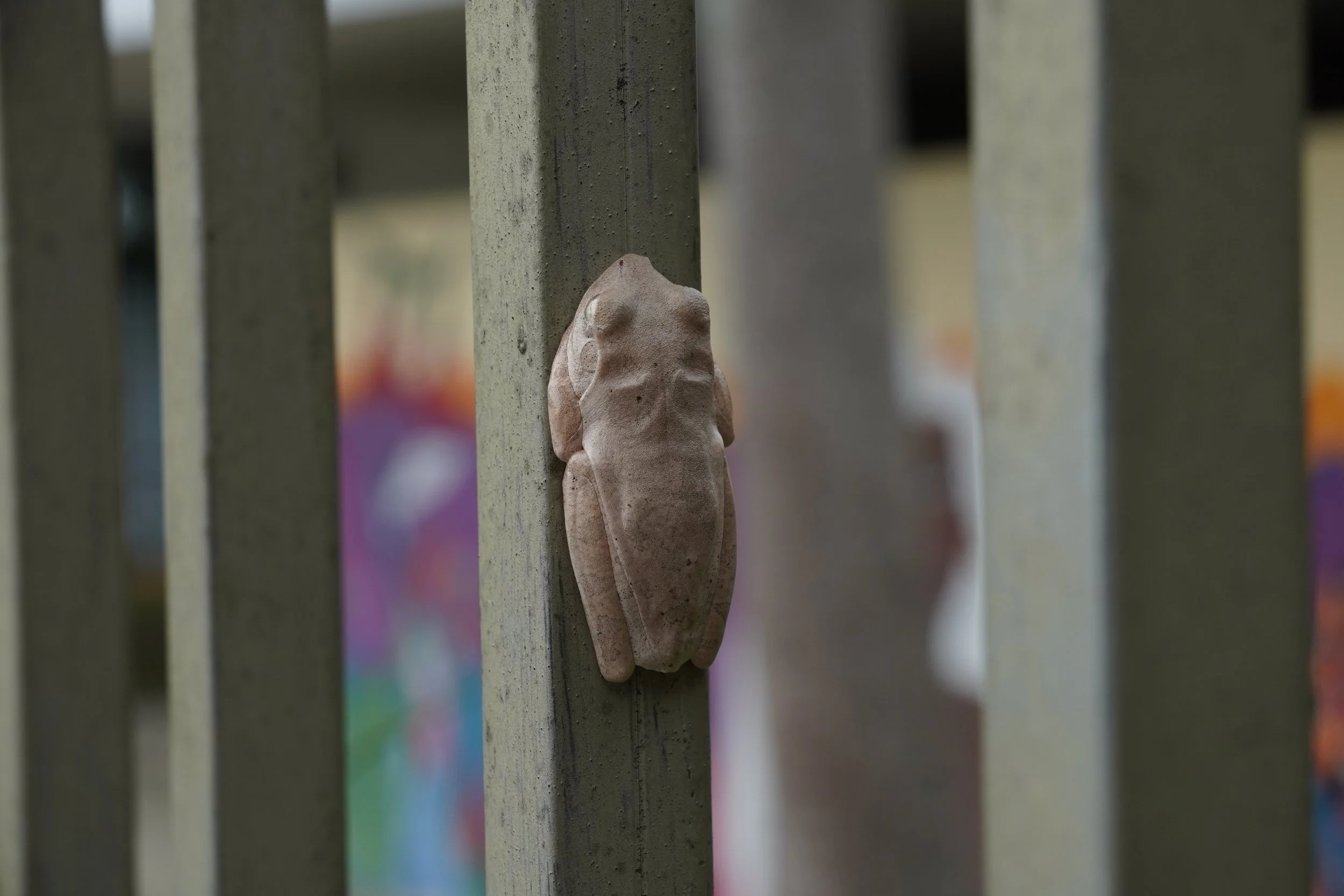
Amazing how it was able to blend in.
On this same walk, I managed to capture many more new species of birds as well which are featured below with a short description.
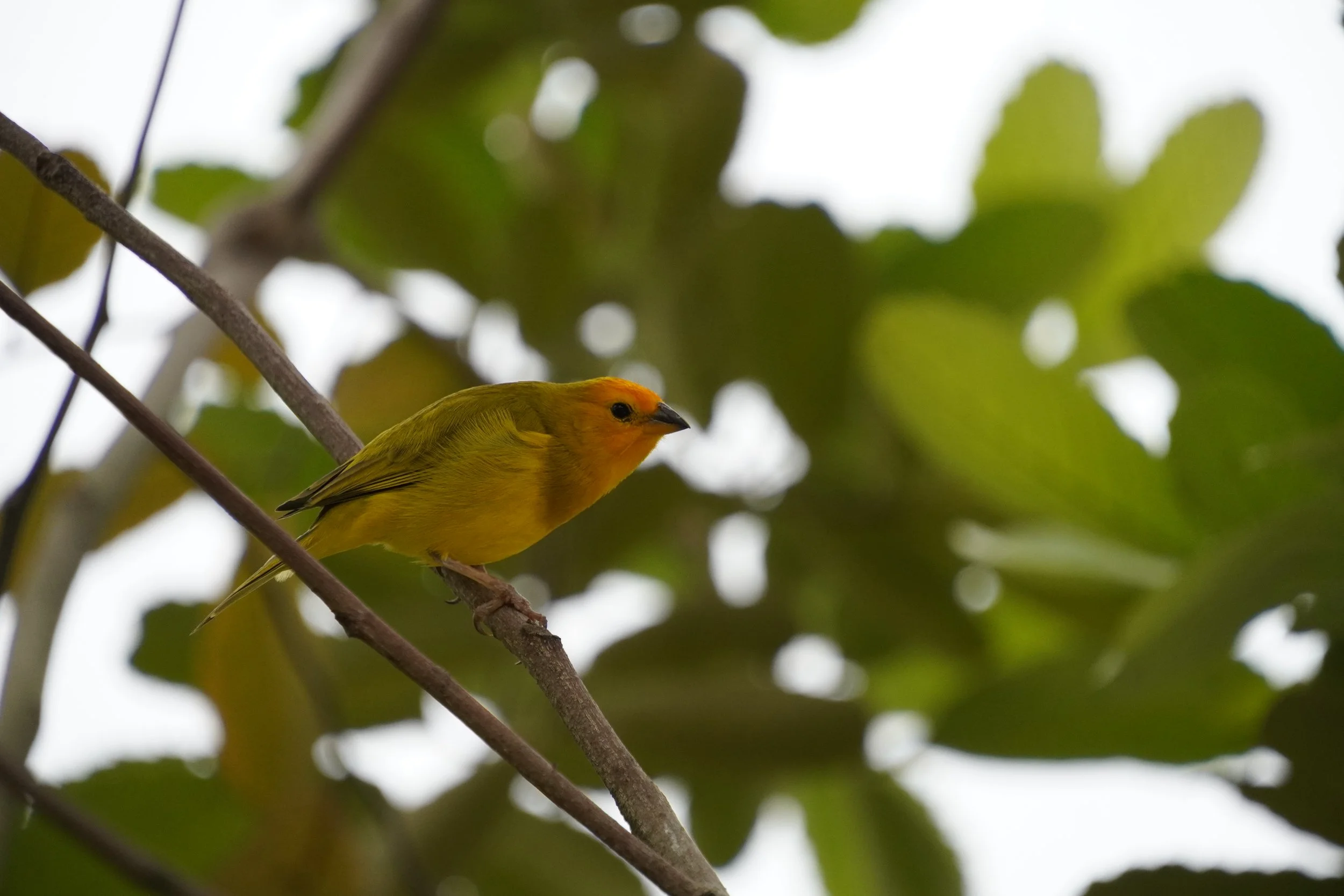
Saffron Finch. These seemed to be quite common and were seen constantly throughout the trip. A bright yellow songbird known for its cheerful colour and lively, melodious song.
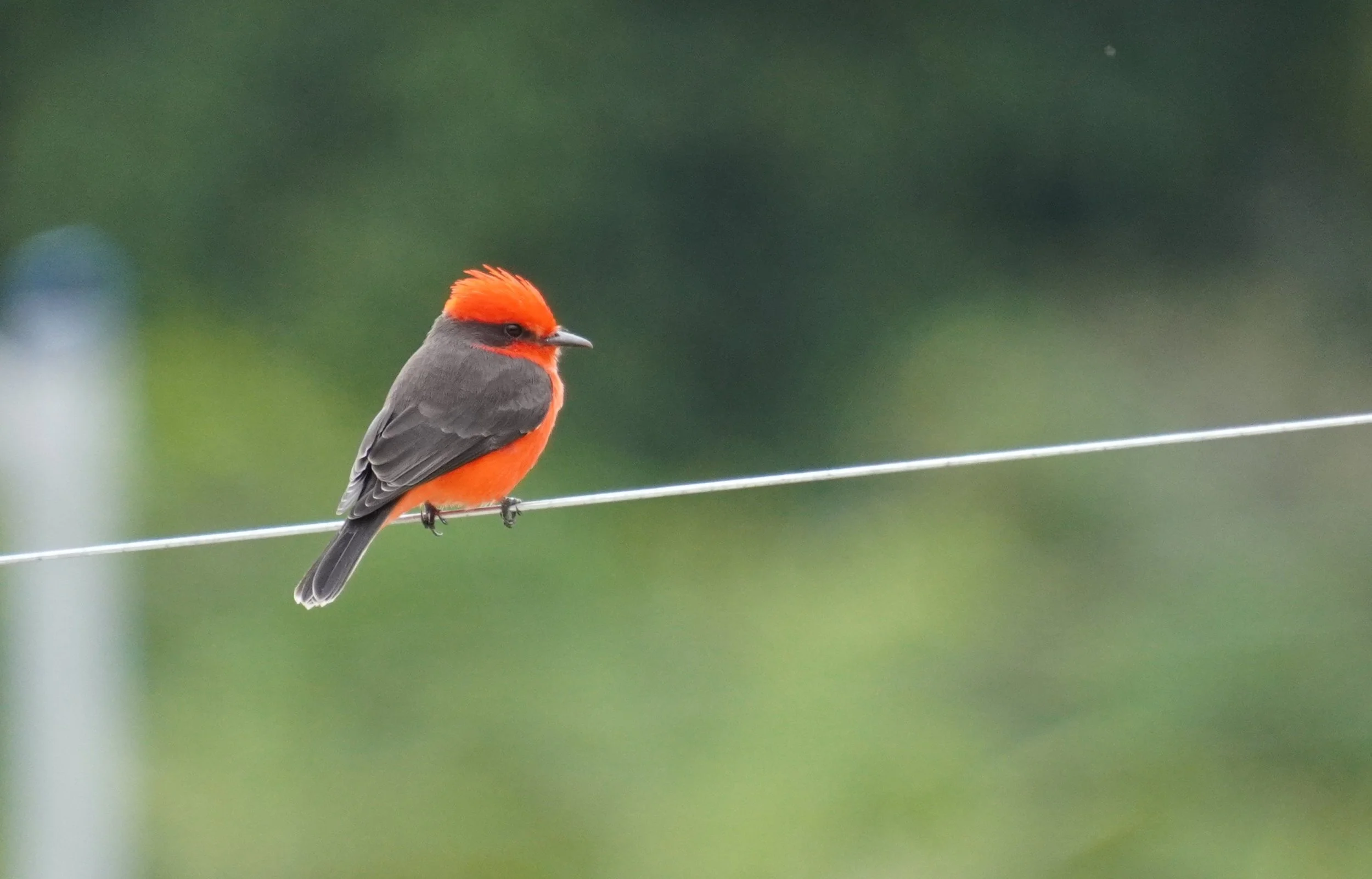
A male Vermilion Flycatcher. Pretty striking colour.
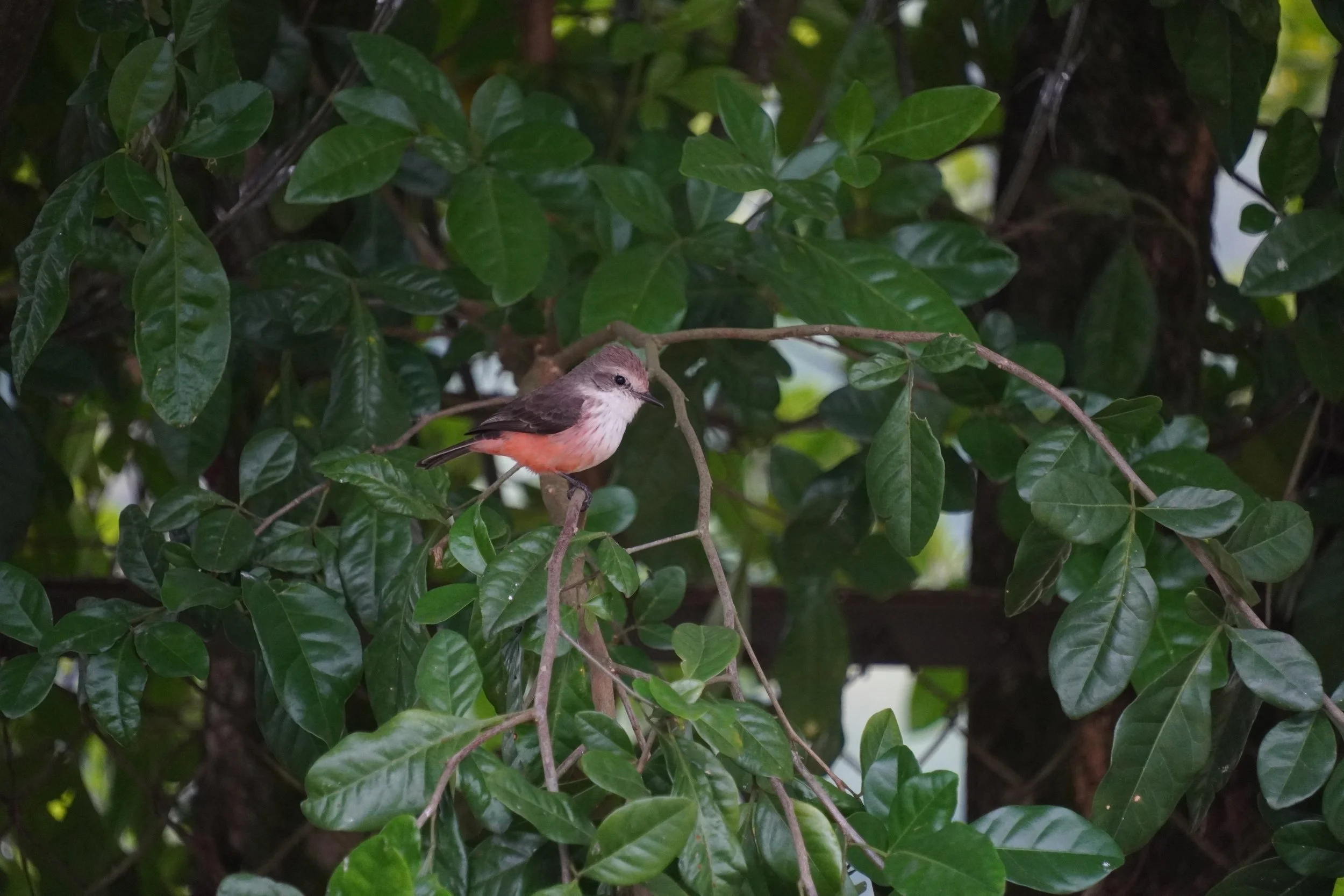
Female Vermilion Flycatcher.
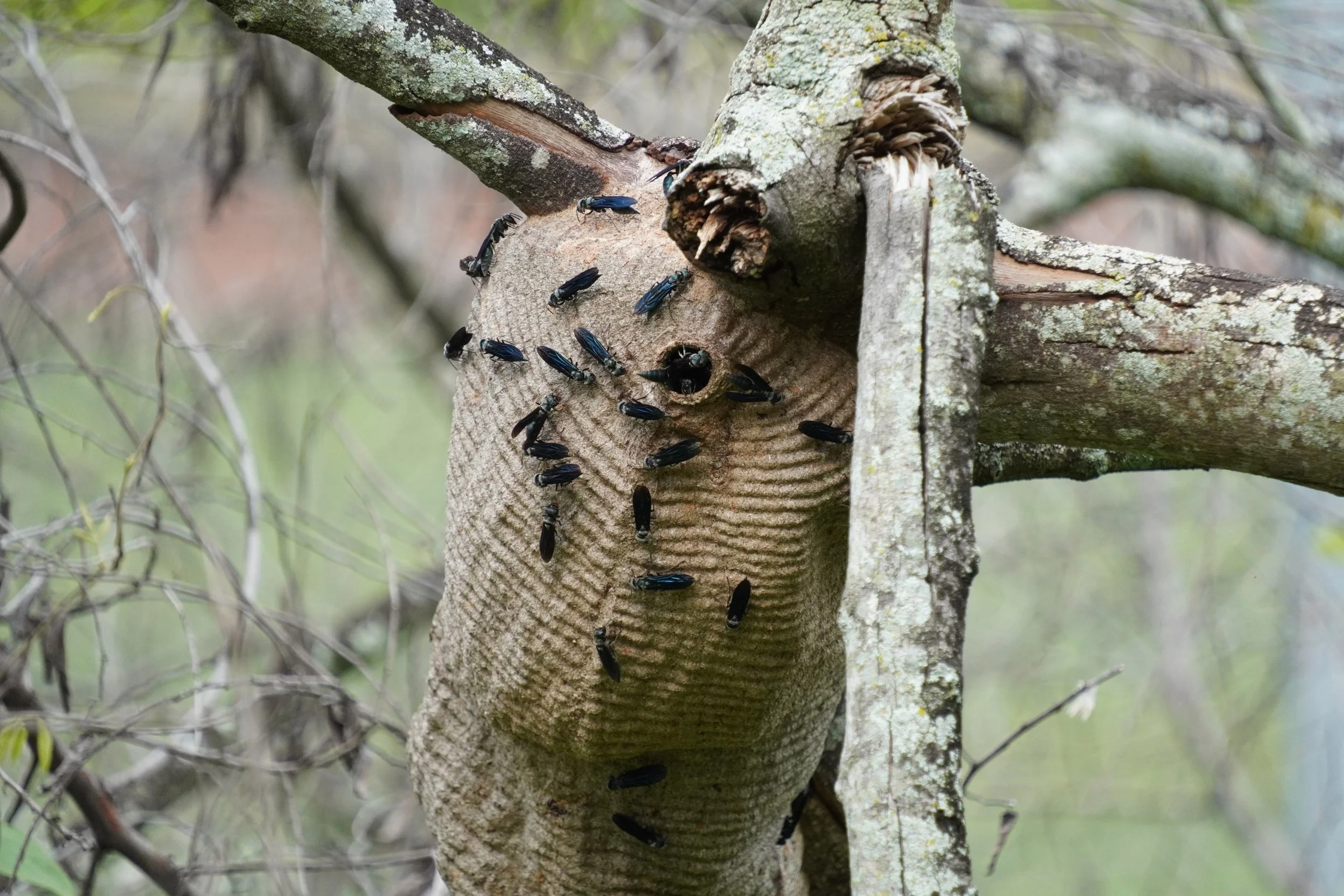
Northern Warrior Wasp nest. These were massive and pretty gnarly. Definitely wouldn’t want to get stung by one!
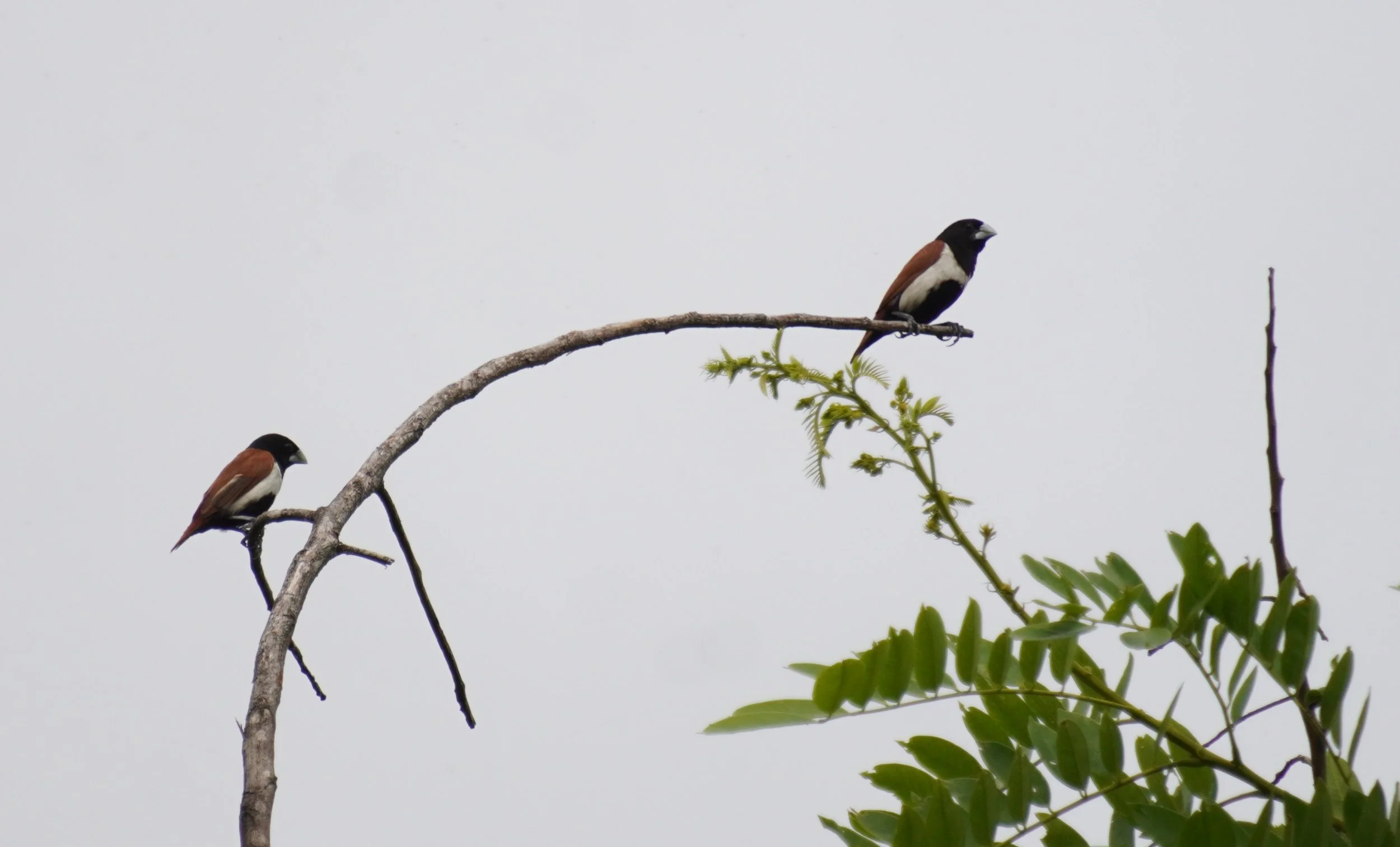
Tricoloured Munias. Often found in wetlands, grasslands, and rice fields. Recognizable by its rich chestnut body, black head, and white underparts, it typically feeds on seeds and forms large, noisy flocks.
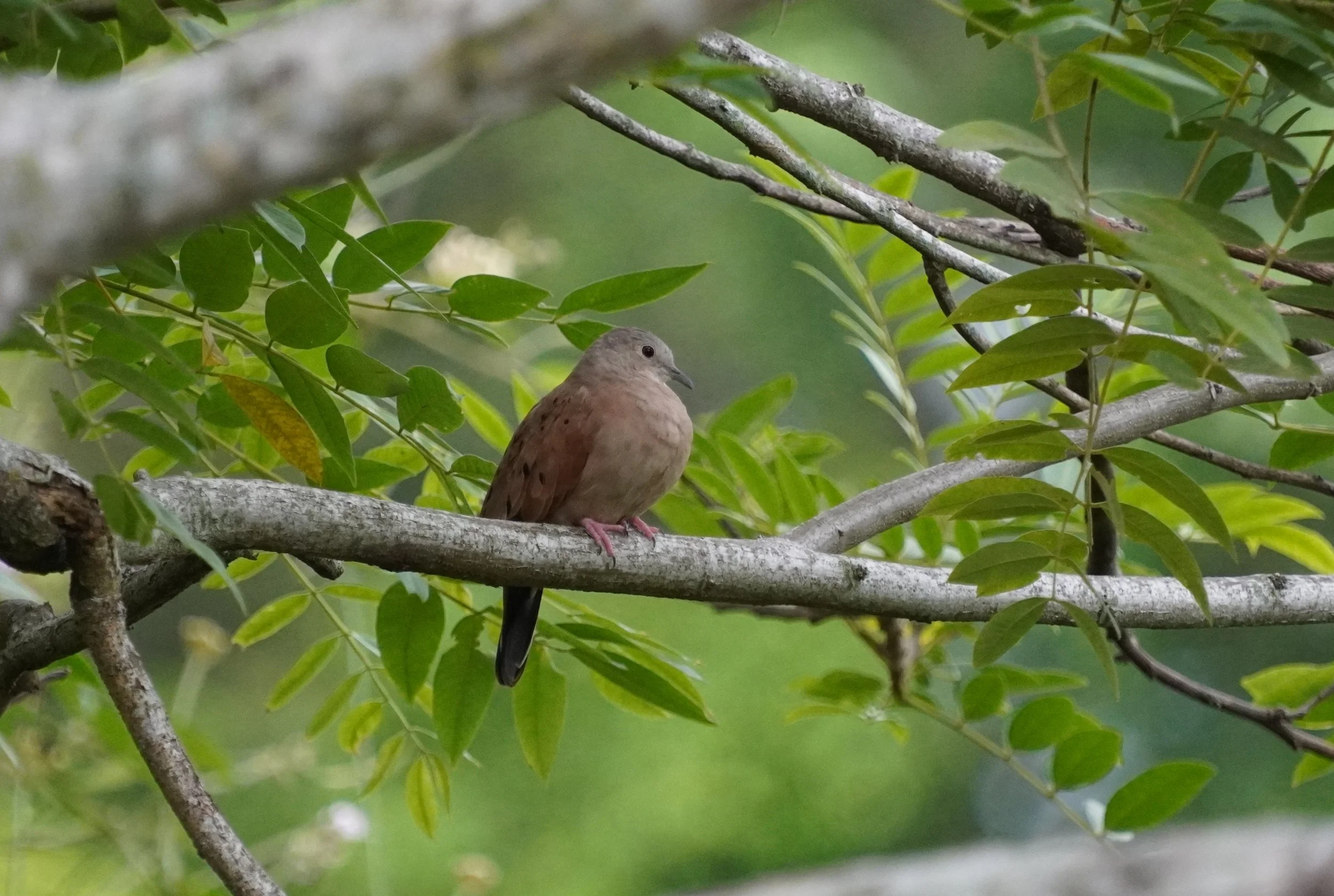
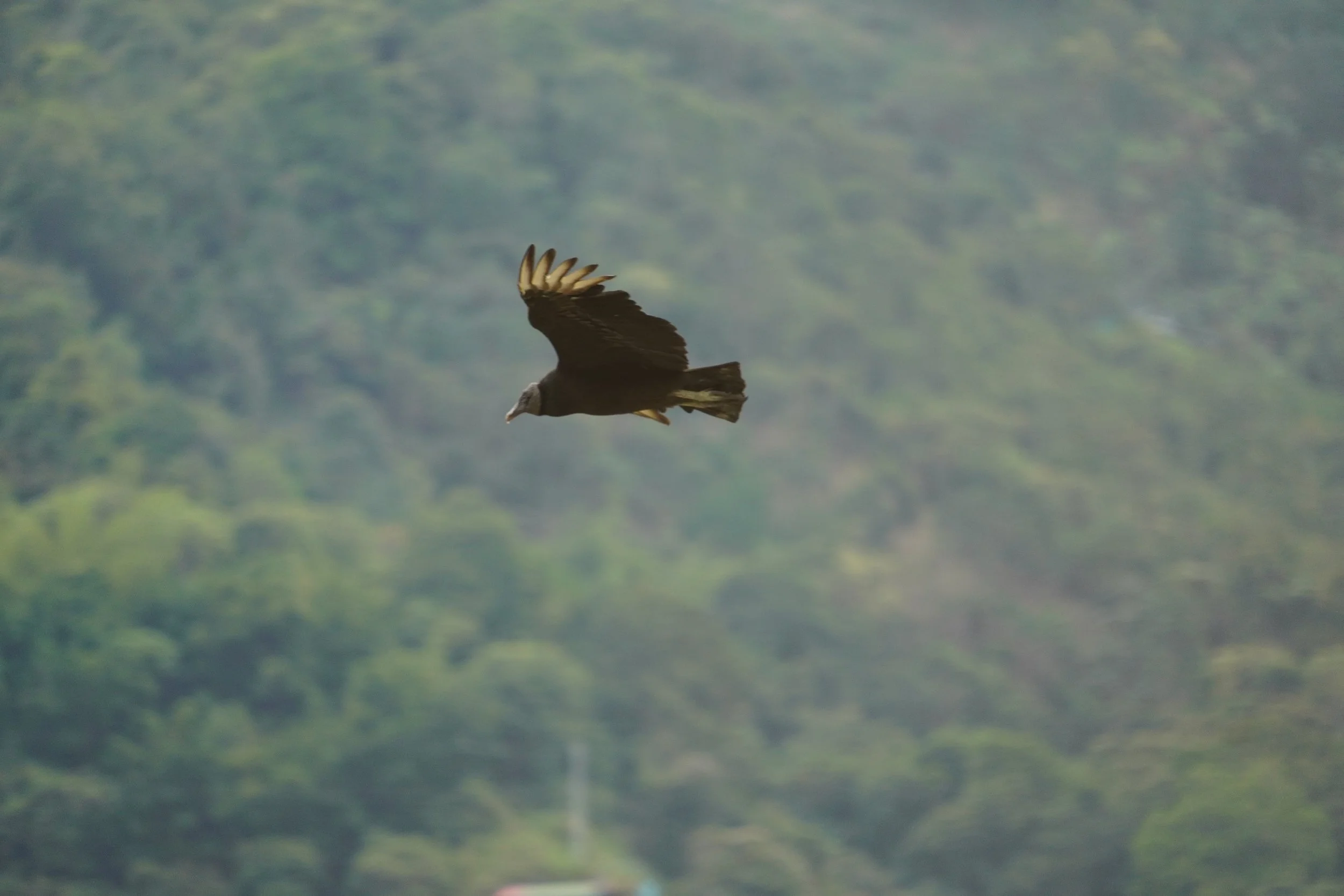


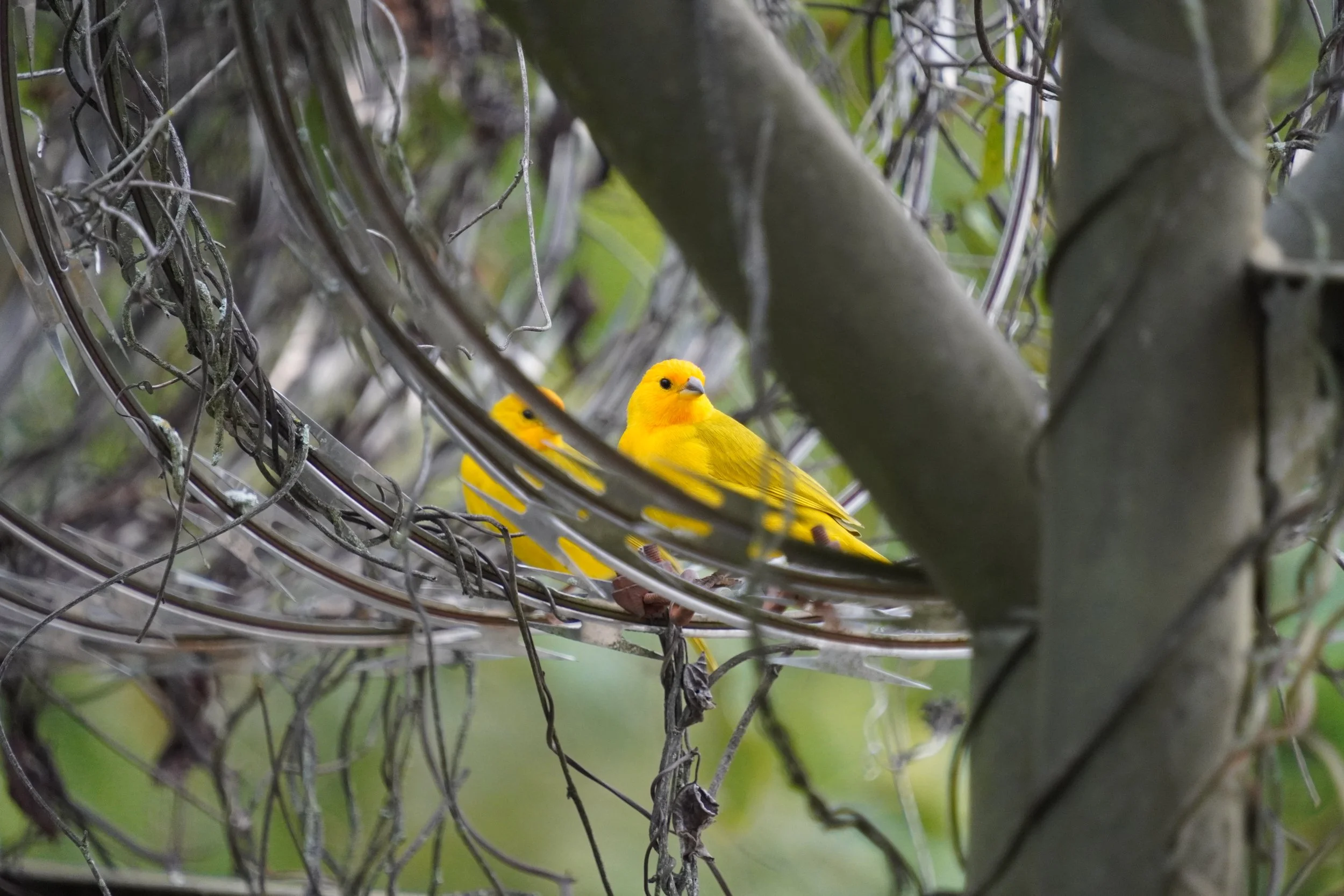
Some more Saffron Finches nestled amongst some comfy barbed wire.
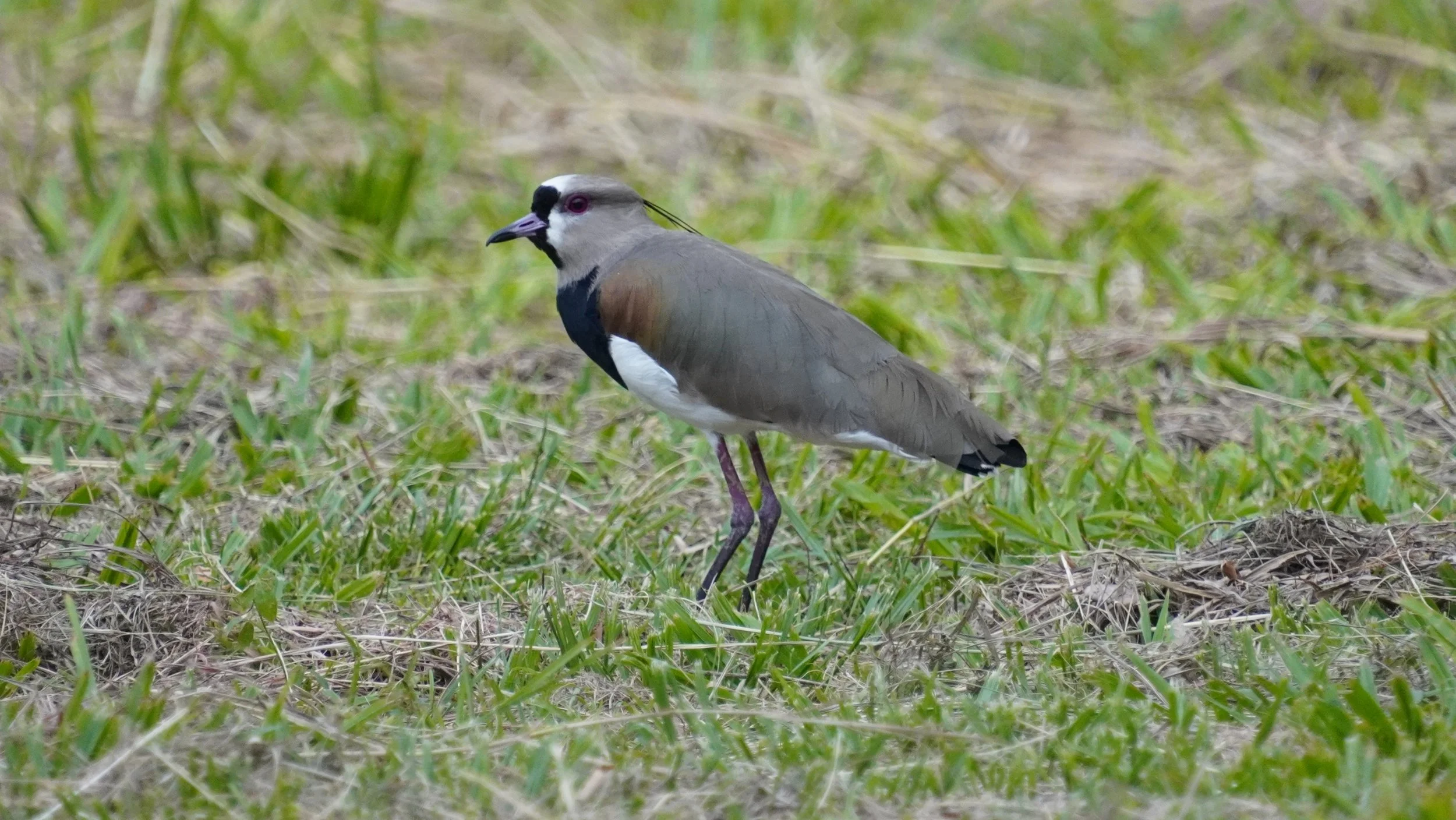
Southern Lapwing. One of my favourites from the trip and the last lifer captured on camera. A striking wader with bold black-and-white markings and a distinctive crest, commonly found in open fields, wetlands, and grasslands across South America.
Some other confirmed lifer IDs included (but without a good photo to accompany) included the Southern House Wren, Blue-and-white Swallow, Roadside Hawk, Great Kiskadee, Fork-tailed Flycatcher and Shiny Cowbird. In addition to these, there were countless other species I saw without getting a photo to ID.
Hope you enjoyed this blog! The cherry on top from this trip was a silver medal resulting in us qualifying for the 2025 Singapore World Aquatics Championships (which I competed in this past July). Another lifer list from that trip will be in an upcoming blog!
